

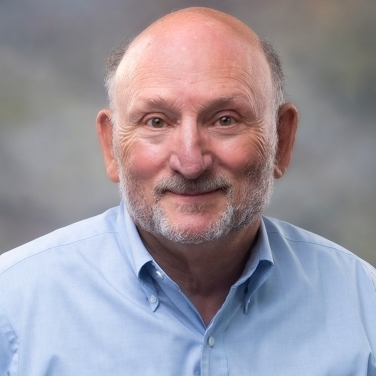
Philip LoVerde, Ph.D.
Professor Emeritus, Department of Biochemistry and Structural Biology
Dr. Philip T. LoVerde is Professor Emeritus at the University of Texas Health Science Center in San Antonio, Texas, having retired in October 2025. Dr. LoVerde was the founding Chair of the Research Mentoring Academy, serving from 2018 – 2025.
His research interests centered on host–parasite interactions, especially those involving the human blood fluke Schistosoma. He had more than 40 years of experience in both field and bench research focused on schistosomiasis. His research included work on vaccine development, the role of signal transduction in schistosome–host interactions, the interplay between male and female parasites that resulted in female reproductive development, the role of host genes in infection outcomes, genomics, genetic approaches to identifying drug-resistant genes, and drug development. He served on the editorial boards of 10 journals and had an extensive history of service as a consultant for the National Institutes of Health, USAID, the World Health Organization, and the Wellcome Trust. His honors included recognition as a Distinguished Professor at the State University of New York. Over the course of his career, he published more than 200 papers.
Dr. LoVerde trained 30 Ph.D. students as a major or co-major professor. In addition, he mentored 17 postdoctoral fellows and 9 visiting postdoctoral fellows from U.S. laboratories and foreign institutions. Among his postdoctoral trainees, five became full professors, one founded her own company, three joined cancer research institutes, two entered industry, two became research associates, and three entered private medical practice. Of the visiting scientist scholars and postdoctoral fellows he trained, eight became professors at their home institutions, and all of them advanced to department-level leadership roles after their time in his laboratory. A majority of his former graduate students went on to careers in academia as professors, department heads, and associate deans, while others pursued careers in industry, government, and law as biotechnology attorneys. He served as PI on Fogarty training grants and, as illustrated above, brought considerable experience as a mentor, making him exceptionally well qualified to participate in training grant applications.